
The Department of Swasthavritta focuses on promoting health, preventing diseases, and enhancing overall well-being through the integrated principles of Ayurveda, Yoga, and Naturopathy. It emphasizes the holistic dimensions of health, including physical, mental, social, and spiritual well-being. Lifestyle modification, healthy dietary practices, personal hygiene, and environmental sanitation form the core components of this branch of Ayurveda.
The department promotes the practical application of classical Ayurvedic principles, including daily and seasonal regimens, healthy living practices, and natural methods of maintaining health. It aims to cultivate a culture of wellness by encouraging preventive healthcare, health education, and sustainable lifestyle habits.
To promote holistic health and happiness by integrating traditional wisdom with modern approaches to preventive and promotive healthcare.
To establish the Department of Swasthavritta as a centre of excellence for health promotion and disease prevention through Ayurveda, Yoga, Naturopathy, and community-based wellness initiatives.
The department provides comprehensive theoretical and practical training in preventive medicine, public health, and holistic lifestyle management. The curriculum covers Dinacharya (daily regimen), Ritucharya (seasonal regimen), Sadvritta (ethical and healthy conduct), Ayurvedic dietetics, and the principles of maintaining physical and mental well-being.
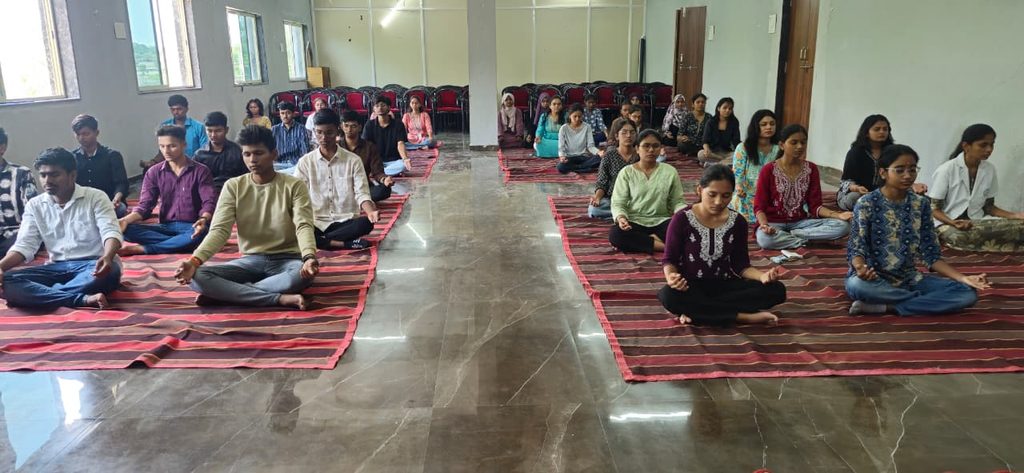
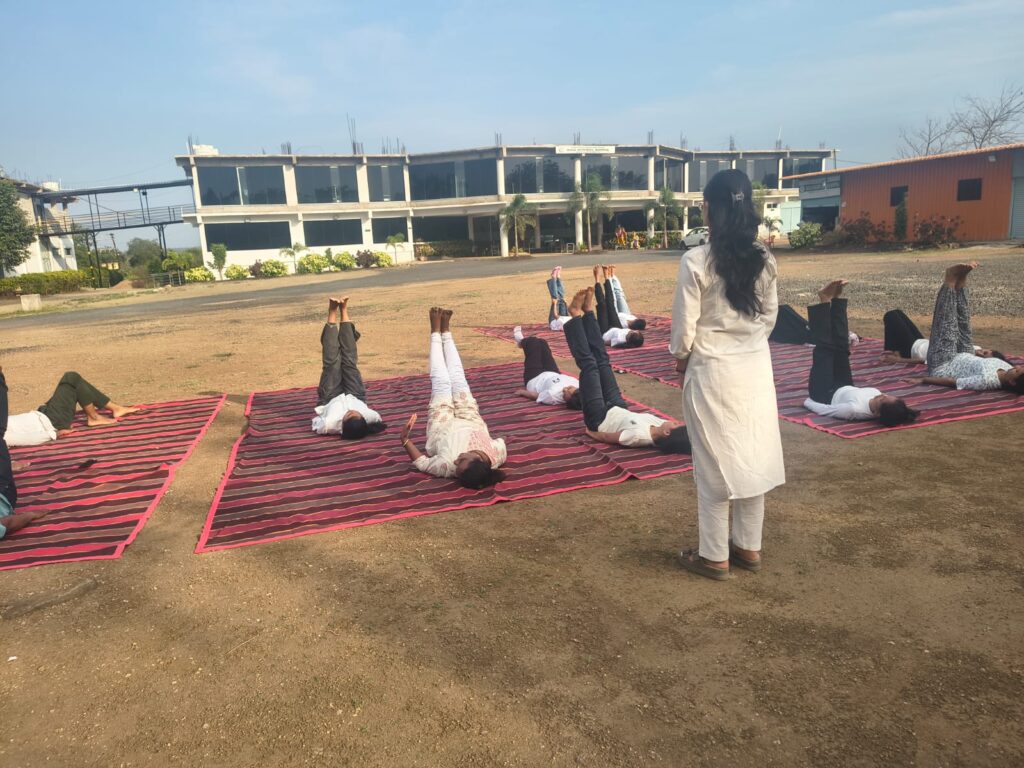
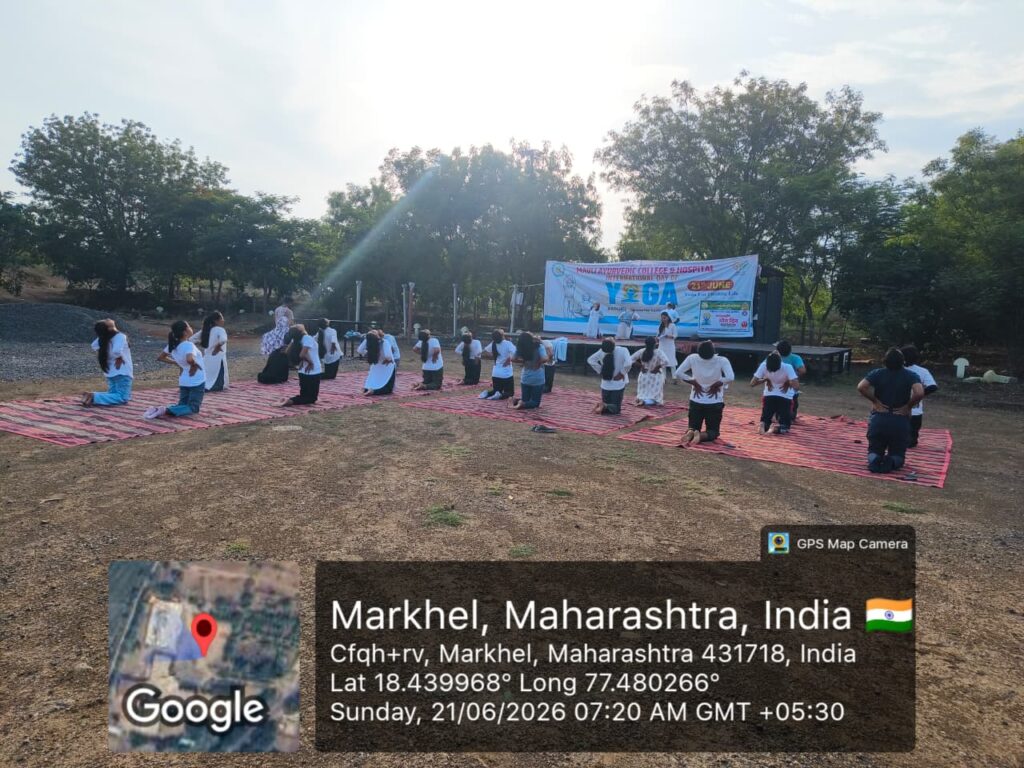
Students are introduced to the concept of Trayopastambha, comprising Ahara (diet), Nidra (sleep), and Brahmacharya (regulated conduct), along with Rasayana therapy, menstrual hygiene, and the principles of disease prevention. The department also imparts knowledge of Yoga, including Ashtanga Yoga, Pranayama, Shatkarma, Bandha, Mudra, and the Panchakosha concept.
Naturopathic practices such as hydrotherapy, mud therapy, sunbathing, massage, fasting therapy, and relaxation techniques are included to familiarize students with natural approaches to health promotion.
Community health and public health education are integral parts of the academic programme. Students learn about epidemiology, communicable and non-communicable diseases, sanitation, waste disposal, school health services, family welfare programmes, hospital planning, and the roles of the World Health Organization and other international health agencies.
To enhance practical learning, the department organizes educational visits to Primary Health Centres, water treatment plants, sewage treatment facilities, milk pasteurization centres, leprosy rehabilitation centres, Anganwadi centres, government Ayurvedic dispensaries, and Yoga and Naturopathy institutions, including Jindal Naturecure Institute.
These activities enable students to understand community health practices and develop the skills necessary to promote preventive, promotive, and rehabilitative healthcare.
The department aims to enable students to: